
The Age Pension Sweet Spot: Why a $550K Couple Can Out-Earn a $1.1M Couple
Using the Age Pension rates from 20 September 2026, we find where less super really leaves you more to live on, and the catch the headlines skip.

Key points
- The Age Pension is worked out under two tests, assets and income, and you get the lower result.
- Above the assets-test threshold, every extra $1,000 cuts the pension by $3 a fortnight: $78 a year, like a 7.8% tax.
- For a homeowner couple, pension plus 6% earnings peaks at about $77,500 a year with around $550,000 saved.
- You'd need roughly $1.3 million to earn as much again, but more savings is still more wealth: don't burn money chasing the peak.
Picture two retired couples on the same street. Both own their homes. One has about $550,000 in super and savings; the other has $1.1 million. On the September 2026 numbers, the couple with half the money can have around $10,000 a year more to live on.
That's the Age Pension sweet spot. Below we work out exactly where it sits, why it happens, and the catch that matters more than the sweet spot itself.
Two tests, and the lower one wins
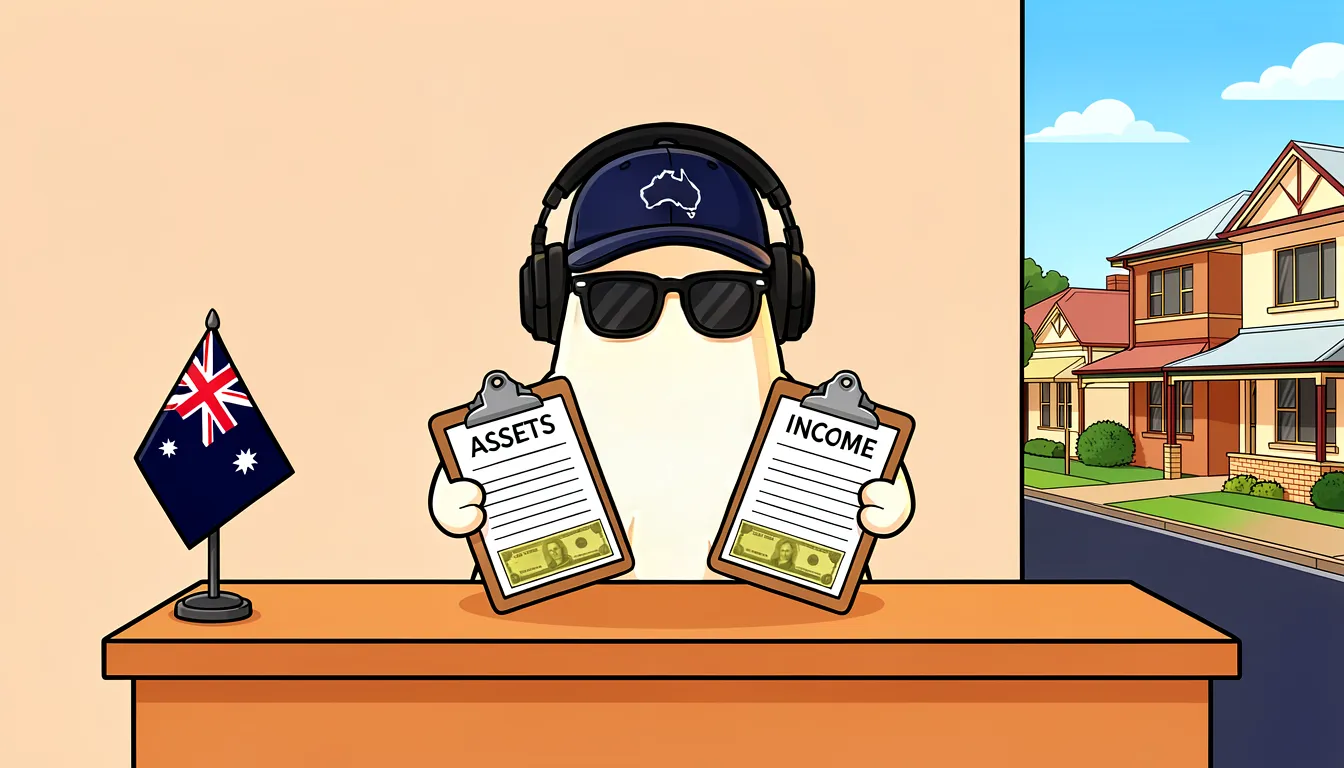
The Age Pension is means tested twice. Services Australia works out your pension under the assets test and under the income test, then pays whichever gives the smaller amount.
- The assets test looks at what you own: super (once you reach Age Pension age), shares, cash, investment property, the caravan, even your car and furniture. The home you live in doesn't count.
- The income test looks at what you earn. For savings and super it uses deeming: instead of checking what your money actually earned, it assumes a rate. From 20 September 2026 that's 1.75% on the first $110,600 for a couple and 3.75% on the rest.
The hidden 7.8% "tax"
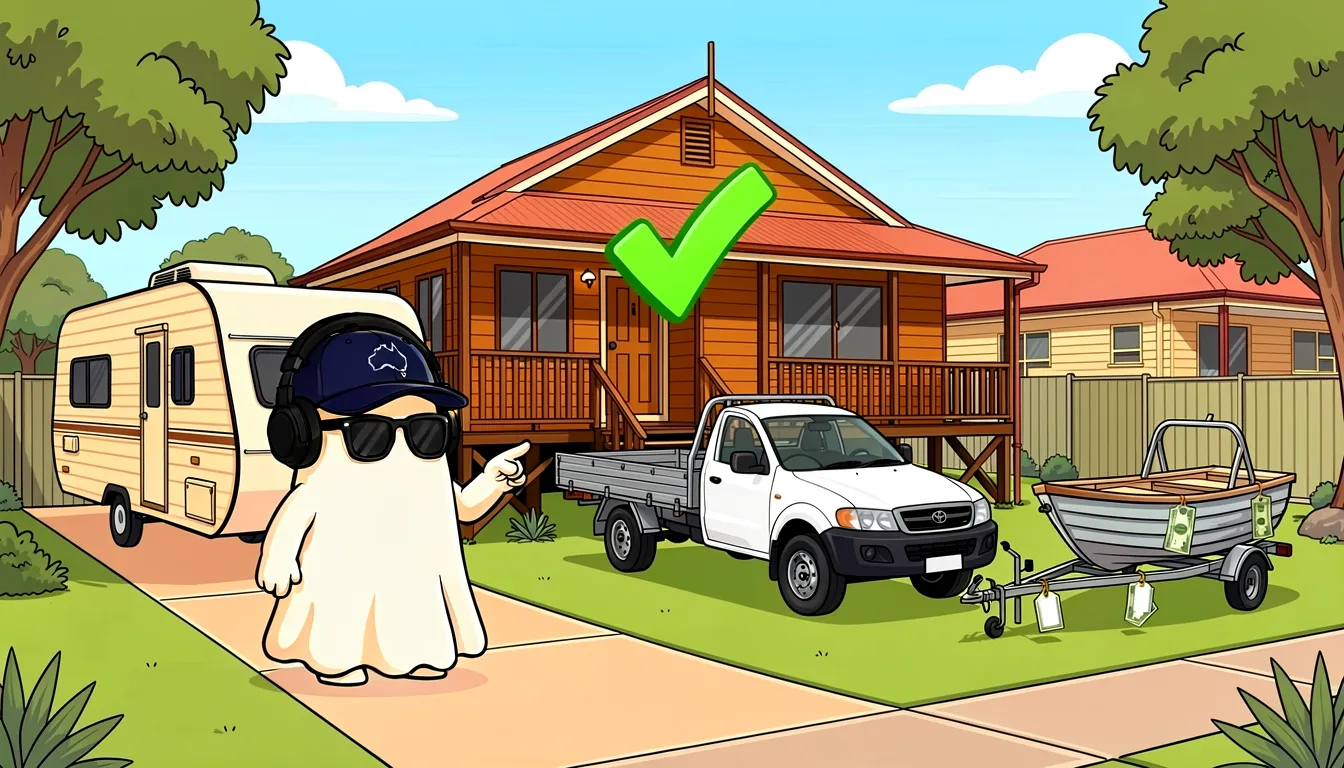
Under the assets test, a homeowner couple can have up to about $499,000 and still get the full pension. Above that, the pension drops by $3 a fortnight for every $1,000 you own.
Three dollars sounds like nothing, but over a year it's $78 for every $1,000: like a 7.8% tax on every extra dollar inside this zone. A balanced super fund doesn't reliably earn 7.8%; ASFA's retirement standard assumes about 6%. So in the taper zone, an extra $1,000 might earn you $60 while costing you $78 of pension.
What pension would you actually get?
Roughly what a full year of Age Pension looks like at different savings levels (September 2026 rates, assets outside the home):
| Savings | Homeowner couple (combined) | Homeowner single |
|---|---|---|
| $300,000 | ~$48,500 (full pension) | ~$30,200 |
| $500,000 | ~$45,400 | ~$19,200 |
| $700,000 | ~$32,800 | ~$3,600 |
| $900,000 | ~$17,200 | – |
| $1.12 million | cuts out | cuts out at ~$746,000 |
If you rent, every limit is about $267,000 higher, because you don't have a house that's left out of the test.

A worked example: Sue and Graham
Sue and Graham (made-up, both 68) own their home in Brisbane and have $700,000 across their super pensions and the bank, with no other income.
They're $201,000 over the full-pension limit: 201 lots of $3, so their pension is about $603 a fortnight below the full rate. They still get about $33,000 a year in pension, plus what their savings earn. At 6% that's another $42,000: about $75,000 a year all up.
The surprising part: with $150,000 less they'd have slightly more to live on each year.
Where the sweet spot really is

Add the pension to what your savings earn (we use 6%) and you get a curve that climbs, peaks, then slides:
- Homeowner couple: peaks around $550,000, at about $77,500 a year, close to ASFA's "comfortable" standard for a couple (about $79,000). At $1.12 million, income bottoms out around $67,000; you'd need roughly $1.3 million to match the $550,000 couple.
- Homeowner single: peaks around $378,000; you need about $856,000 to catch back up.
- Renters: the curve shifts right. A renting couple peaks around $900,000 (about $1.5 million to match); a single renter around $730,000. Rent Assistance (not included here) pushes the cut-offs higher still, but renters also have rent to pay.
Because deeming rose in September, the income test now bites first just below the assets threshold. That nudged the peak up a little, so older figures that say "just under $499,000" are now slightly out of date.
The catch: income isn't wealth
Should everyone spend their super down to $550,000? No, and this is the part the headlines skip.

The $1.1 million couple still has $570,000 more than the other couple, and that money can be spent. Drawing it down over a 25-year retirement adds tens of thousands a year that the curve above doesn't even count, because it only counts earnings, not spending the capital. It's also your buffer for aged care, a new roof, helping the kids, a medical bill or a market crash. And the rules change twice a year.
The maths on "burning" money is poor. A couple at $600,000 who spends $50,000 just to get under the peak gains about $3,800 a year in pension but loses about $3,000 in earnings: roughly $800 a year better off, and $50,000 poorer. It takes decades to come out ahead.
The better way to see it: the pension is a safety net that grows as you spend. Inside the taper zone, every $1,000 you use up comes back as $78 a year of pension, so spending your savings in retirement hurts less than you'd think.
What the rules allow
General information only, not advice for your situation:
- Your home is exempt. Money spent on the home you live in (a renovation, or moving somewhere better) moves out of the assets test. It's still money gone, so it only makes sense if you'd want it anyway.
- Gifting is capped. You can give away $10,000 a financial year, and no more than $30,000 over five years. Anything above that is still counted as yours for five years.
- An age gap matters. Super in the accumulation account of a partner who is under Age Pension age generally isn't counted until they reach that age or start drawing from it.
- Spend on what you'd buy anyway. A car you need, hearing aids, that holiday: these simply leave less in the assets test. Just don't buy things for Centrelink's sake.

Check your own numbers
Our figures assume everything outside the home is in savings and super, no other income, and a 6% return. Real life is messier, so:
- Use Services Australia's free Payment and Service Finder to estimate your own pension.
- Try Moneysmart's retirement planner to see your super and pension together over time.
- Book Services Australia's free Financial Information Service, or talk to a licensed financial adviser.
The limits change every March and September; we'll update this page when they do.
Which are you aiming for: the full pension, a part pension, or fully self-funded? Tell us in the comments.
Questions people ask
What is the Age Pension sweet spot?
It's the amount of assessable assets where your Age Pension plus what your savings earn adds up to the most income. Because the pension tapers away by $78 a year for every extra $1,000 in assets, people just past the full-pension threshold can end up with less yearly income than people with less saved. For a homeowner couple using the September 2026 rates and a 6% return, that peak is around $550,000.
How much can a couple have and still get the full Age Pension?
From 20 September 2026 a homeowner couple can have up to about $499,000 in assessable assets under the assets test, although the income test (through deeming) can reduce the pension first. Non-homeowners get limits about $267,000 higher. Check the current figures with Services Australia because they change every March and September.
Does my home count in the Age Pension assets test?
No. The home you live in is exempt. Super (once you reach Age Pension age), shares, cash, investment property, cars, caravans and household contents generally do count.
Should I spend my super to get more pension?
Not just to chase the threshold. Spending $50,000 to get under the peak might lift a couple's income by only about $800 a year while leaving them $50,000 poorer. Spending on things you would buy anyway is different: the pension partly replaces what you spend. This is general information, so get advice for your situation.
How much money can I give away and still get the Age Pension?
Up to $10,000 a financial year and no more than $30,000 over five financial years. Anything above that is still counted as your asset for five years from the gift.
Sources
- Services Australia: Assets test for Age Pension thresholds and the $3 per $1,000 taper
- Services Australia: Income test for Age Pension
- Services Australia: Deeming 1.75% / 3.75% from 20 September 2026
- Services Australia: How much Age Pension you can get
- Services Australia: Gifting $10,000 a year, $30,000 over five years
- ASFA Retirement Standard comfortable couple about $79,000 a year
- Services Australia: Payment and Service Finder estimate your own pension
- Moneysmart: Retirement planner
General information only, not financial advice. It doesn't consider your objectives, situation or needs. Figures were correct when published.
Watch on YouTube and subscribe for the next one.
Comments
Loading comments…